


If you're planning to manufacture, import, or distribute products in the UAE, you've probably come across the terms ECAS and EQM. Many businesses mistakenly assume they are the same certification, or that obtaining one automatically satisfies all regulatory...
Setting Up a Restaurant in Dubai? Avoid these 6 Mistakes
Halal Certification for Imported Food Products in the UAE: What Businesses Need to Know
A halal certificate from your home country isn’t automatically valid in the UAE. Here’s what food importers need to check before shipping.
Hiring Your First Employee in the UAE? Payroll, WPS & Compliance Checklist
Hiring your first employee is a big milestone for any UAE business. It also brings new legal, payroll and administrative responsibilities. From the employment contract and work permit to salary processing through the Wage Protection System (WPS), you need the right...
Can You Change Your UAE Business Activity Later? Here’s What You Need to Know
Can You Change Your UAE Business Activity Later? When entrepreneurs first set up a company in the UAE, they often focus on launching their business as quickly as possible. However, as businesses grow, services expand, and market opportunities evolve, many owners begin...
UAE Small Business Relief Extended Until 2029: What Businesses Need to Know
UAE Small Business Relief Extended Until 2029 There is an important Corporate Tax update for small businesses operating in the UAE. The UAE Ministry of Finance has extended the period during which Small Business Relief may be claimed to Tax Periods ending on or before...
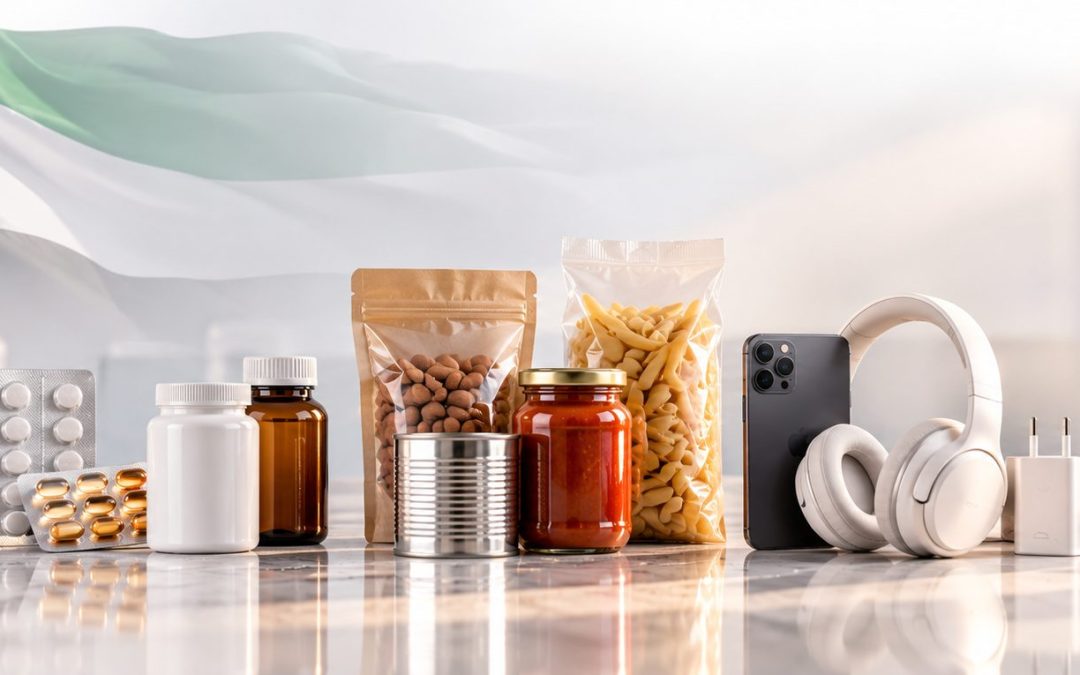
ECAS vs EQM: Which Certification Does Your Product Need in the UAE?
If you're planning to manufacture, import, or distribute products in the UAE, you've probably come across the terms ECAS and EQM. Many businesses mistakenly assume they are the same certification, or that obtaining one automatically satisfies all regulatory...

Halal Certification for Imported Food Products in the UAE: What Businesses Need to Know
A halal certificate from your home country isn’t automatically valid in the UAE. Here’s what food importers need to check before shipping.

Setting up a restaurant in Dubai Mainland can be a fantastic business move — but only if you navigate the licensing process correctly. Dubai has clear (and strict) regulations when it comes to food businesses, and overlooking them can cause…
Setting up a restaurant in Dubai Mainland can be a fantastic business move — but only if you navigate the licensing process correctly. Dubai has clear (and strict) regulations when it comes to food businesses, and overlooking them can cause major delays or even legal issues. Here are the top mistakes to avoid, based on real cases we’ve handled:
1.Not understanding the difference between a Restaurant and a Coffee Shop license
These are not interchangeable. A Restaurant license allows for full meal preparation and service, including hot and cold dishes. A Coffee Shop license, on the other hand, limits you to light snacks, desserts, and beverages. Serving full meals under a coffee shop license can lead to fines and forced activity changes.
2. Skipping approval from Dubai Municipality’s Food Safety Department
Many assume that once they have their DED license, they’re ready to open — but that’s only part of the journey. You must also get approval from the Dubai Municipality Food Safety Department, which ensures your kitchen layout and facilities meet food hygiene and safety standards. Without their green light, you cannot legally operate.
3. Submitting an incomplete or incorrect kitchen layout
You’re required to submit a detailed floor plan showing areas for food preparation, washing, ventilation, storage, and waste. If you don’t follow the technical guidelines — like proper grease traps or handwashing stations — your layout will be rejected, delaying your fit-out and operations.
4. Ignoring Food Watch registration and ongoing obligations
Once your license is active, you must register your restaurant on Food Watch, Dubai’s digital food safety platform. This includes:
- Logging your suppliers –
- Documenting food safety training for staff
- Recording pest control and sanitation logs
- Monitoring food storage temperatures
Failure to maintain your Food Watch profile can result in fines during inspections or suspension of your operations.
5. Using non-compliant equipment in your kitchen
Your restaurant must meet fire safety, ventilation, and hygiene standards. Using residential gas systems, improper ventilation, or non-food-grade materials is a major reason why many restaurant projects fail inspections or face operational bans.
6. Not planning for alcohol service (if applicable)
If you plan to serve alcohol, this requires a separate alcohol license issued by the Dubai Police Licensing Section, not through DED. Alcohol service is typically allowed only in specific types of venues such as:
- Hotels and resorts
- Licensed restaurants inside hotels
- Clubs and lounges within designated hospitality zones
- High-end standalone venues pre-approved by authorities
If your venue doesn’t fall within these categories, it’s unlikely you will be approved to serve alcohol. Serving alcohol without a valid permit is illegal and could lead to license suspension or permanent closure.
Dubai’s food and beverage sector continues to grow rapidly, driven by tourism, expatriate population growth, and a rising culture of dining out. Key opportunities include:
- Specialty cuisines and themed restaurants — catering to diverse cultural tastes.
- Healthy and sustainable dining concepts — increasing demand for organic, vegan, and wellness-focused options.
- Food delivery and cloud kitchens — capturing the booming online food ordering market.
- High-end and experiential dining — luxury and unique culinary experiences remain attractive to both tourists and residents.
With the right approach and full regulatory compliance, your restaurant can tap into this thriving market and enjoy long-term growth.
At Bizzmosis, we help investors and entrepreneurs navigate Dubai’s complex restaurant licensing and regulatory landscape — from approvals and compliance to operational readiness.
📩 Start your Dubai restaurant journey with confidence. Contact us today and let’s make your business a success! 📧 hello@bizzmosis.com | ☎️ +971 4 568 6522


0 Comments